

7 Things to Check Before Buying a Rural Home
7 Things to Check Before Buying a Rural Home in Cool, Meadow Vista, Placerville or any other area with no city services:
Buying rural property is a VERY different buying experience from a home in an urban or suburban neighborhood. There's a lot more things a home buyer must know. Especially here, deep in the Wildland-Urban Interface, places like Cool, Georgetown, Meadow Vista, Foresthill, Placerville, Cameron Park, Rescue, Camino, Garden Valley, Plymouth, Pollock Pines and all of the Western Slope of the Sierras and the Sacramento Foothills. There's just a lot more to consider.
Besides larger lots (Sometimes MUCH larger) and the need for finding the boundaries, there's also water systems (whether district or well), water storage systems, district water delivery and allocation policies, propane tanks (no natural gas here), septic systems (there's no sewer here), and a lot more to learn. On most properties in the foothills there's large scale surface drainage systems, right of way and easement concerns and don't forget the big one: Wildfire Mitigation laws, guidelines and requirements. These wildfire concerns (just a few years ago were either not enforced or didn't even exist), have been devastating to property and casualty insurance costs and requirements (and thus; Home and property prices) here in the Wildland-Urban Interface.
Sure, the scenic surroundings, slower space, safe and welcoming neighborhoods (yes, we still call them neighborhoods, even when the closest neighbor is 1/4 mile away!) has an appeal, but there are more moving parts, far more things to know and more places you can really screw up.
Every place is different, and they all have pro's and con's. A beautiful setting is only part of the equation; your overall cost of land maintenance and the day-to-day function of the property matters just as much.
When evaluating a rural home, it helps to think beyond square footage and finishes. Access, utilities, land condition, insurance, and long-term abatement and maintenance can all shape the true cost of ownership. Taking time to review these items early can help buyers make informed decisions and avoid surprises after closing. here's seven of the biggest differences:
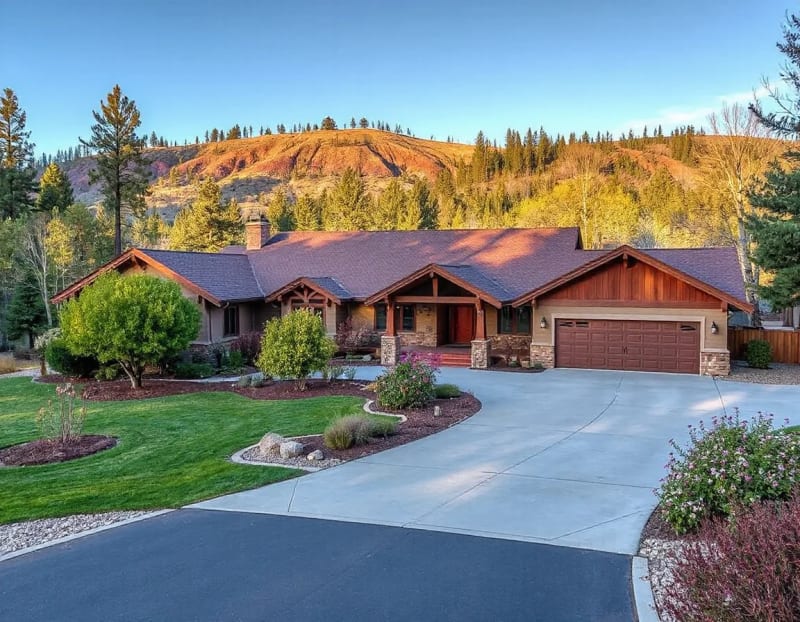
1. Road access and commute practicality. A listing may look close on a map, yet the real driving experience can be very different. Going 8 miles on a flat, straight well surfaced road is one thing... 8 miles between Cool and Auburn or Pilot Hill and El Dorado Hills is an entirely different deal. One is 7 or 8 minutes, the other is fifteen or 18 minutes... You really have to go see for your self. It's hard to tell on a map or GPS or Google.
On foothill roads, elevation changes, curves, drainage, and seasonal wear can affect travel time more than mileage suggests. If the property sits off a shared private road, review maintenance agreements and ask about costs or informal arrangements among neighboring owners. A long private gravel road is a big red flag... who takes care of it? how long since its been graded last? What is the cost and how is the the agreement handles? Is it a written and recorded agreement? Is there an association or is it a huge hassle to get any money out of some of the roads users? Study CA Civil Code 845: This law states that the cost of maintaining a private right-of-way must be shared proportionally among all property owners who have the legal right to use it. This doesn't say how it is supposed to be collected from dead beat neighbors though... If a neighbor refuses to pay their fair share under CC 845, the other owners cannot simply block the road. Instead, they must file a civil action or a small claims court case to force a contribution.
2. Water source, capacity, and condition. Rural homes rely on private wells or public districts rather than municipal water. That puts well production (how many gallons per minute), water storage, pump condition, water pressure and water quality all on your plate. These are all some of the absolute most essential parts of due diligence. Buyers should ask for recent well reports, flow information, and any available water testing results. If the property has storage tanks, filtration systems, or backup equipment, it is worth understanding age, service history, and replacement expectations. If the property is on a Water District, there's the allocation, costs, Water Shortage Contingency plans and Water Curtailment Policies and past historical practices... Water is probably the most important functional systems on a rural property, so this is not the place to make assumptions. Get inspections and cost estimates. And take notes on everything.
3. Septic system health. Unlike homes connected to a public sewer, nearly all Rural Properties on the Western Slope are going to depend on septic systems. A septic inspection can reveal tank condition, leach field (drain field) issues, needed repairs, or pumping needs. It is also smart to confirm whether additions, guest spaces, or outbuildings match the permitted septic capacity. Original home plans set the required size of a septic system. Any bedrooms added later are a red flag. A home marketed with extra rooms or flexible use space may still be limited by the underlying system, and that can affect how the property fits your plans, and at very least cause issues when you go to sell...
Land Use, Boundaries, and Everyday Function
4. Zoning, easements, and usable acreage. There's only a few neighborhoods with HOA's or POA's in the entire Western Slope area, but many of those all have rules concerning everything from what types of animals you can have, where you can park your cars, boat or RV, how fast you can drive and what color you can paint your house.
Cool has Auburn Lake Trails, the gated community with a relaxed, rural feel. There's big lots, many with horse set-ups, pastures, and a laid back, slower pace that seems out of place when you look at the many rules and regulations. Buyers love the community and the thoughtful layout and zoning. There's over 30 miles of trails, a golf course, equestrian facilities and a swim center. And they DO have district water, but each house has its own septic... but to some people, they come out to the country to do what they want, and cant stand the thought of an association telling them what to do!
A Parcel's boundary clarity matters too. Fences, tree lines, and long driveways do not always (code for hardly ever!) line up with legal parcel lines. A survey or parcel map review can help confirm what is included. Always make sure your agent or the seller help you find the boundaries and the corner markers of a parcel. This is especially important on larger properties where neighboring land may appear visually connected. Understanding the actual boundaries can prevent confusion later and makes future improvement planning much easier.
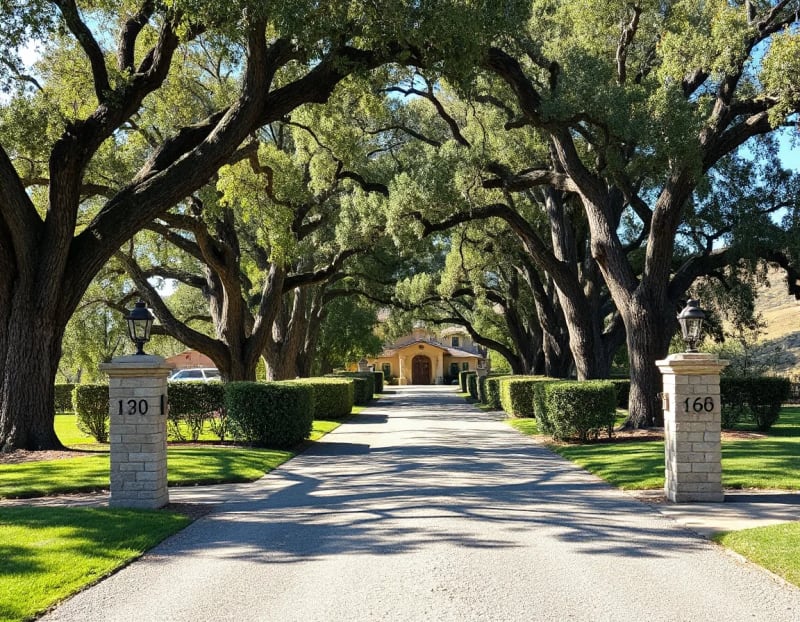
5. Utilities, internet, and backup systems. Rural homes have very different service setups from one address to the next. Ask about electric service, propane providers, backup generators, internet providers, and cell signal reliability. For most buyers, connectivity is a practical concern for their work, communication, and health providers. Service may be available, but speeds and consistency do vary. Test the signal strength in person and confirm provider options yourself is often more reliable than assuming coverage from a map or asking someone's opinion.
It is also good to ask about power outages and storm preparedness. In most rural parts of California, backup systems can be a meaningful advantage. A generator, water storage, defensible space planning, and maintained access roads all contribute to how comfortably a property functions throughout the year.
6. Insurance and property condition risks. Buyers should explore insurance options early.
Most times in the country, agents will get fire insurance policy quotes for an address before even showing the property. Even agents and brokers very familiar with the area are surprised sometimes with a quote that is just too high to even consider the home for their buyers. There are huge differences in premiums from one zip code to the next sometimes. and even huge differences from one place to another right down the road. Your real estate agent should have lots of experience with these issues by now and be able to tell you all about that, have information on how those rates are calculated and be able to get you information on a particular parcel or property or home in minutes.
Also, roof age, vegetation clearance, road access, (a single access road vs multidirectional two or more roads access) how far to a fire hydrant and how far to a 24 hour manned fire station (In property underwriting, insurance companies have strict, non-negotiable distance thresholds to measure a home's risk by using the proximity to a Fire Hydrant (within 1,000 feet) and 24 hour emergency personnel (within a 5 mile road miles radius of 24 hour station). This will all influence insurability.
Beyond insurance, look closely at drainage, grading, retaining walls, decks, and outbuildings. Rural properties always have more components to learn about and maintain, and deferred maintenance can add up quickly.
Local Context Matters as Much as the House
7. Nearby services, recreation, and market trends. Part of the appeal of little communities like Cool, 95614 or anywhere here in Gold Country is the balance of open land and access to outdoor recreation amenities.
Spend time learning the rhythm of an area: grocery routes, medical services, school options, recreation access, and the drive to nearby employment centers or where you'll go for daily errands. The region is known for foothill scenery, trails, and access to outdoor recreation, which can be a major lifestyle benefit for residents who value space and natural surroundings.
Real estate trends also deserve attention. Rural homes can differ widely, as values are based on acreage, water systems, road access, views, usable land, and improvements such as barns, shops, or fenced areas. Comparable sales will always be less uniform than in a tract-home neighborhood, No two of these properties are alike. none of them. So market interpretation takes nuance, It's a matter of extrapolating the value based on the lates info. Rural homes are always unique. This is where working with an agent who understands rural and recreation-oriented properties can make a meaningful difference in evaluating price, condition, and resale potential.
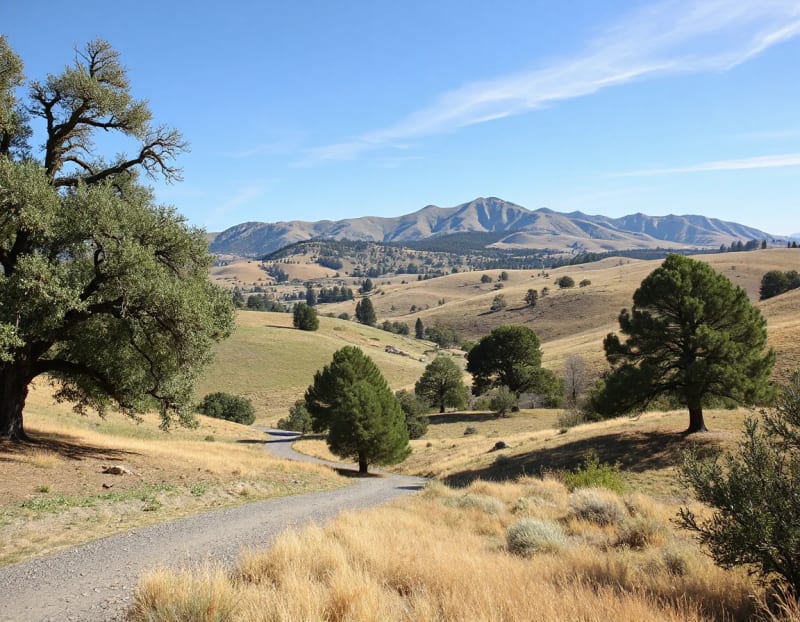
Buying a rural home can be incredibly rewarding when the property matches both your goals and the practical realities of ownership. The right home in the country may offer room to breathe, strong connection to the landscape, and a level of privacy that is increasingly hard to find. The key is making sure the systems behind that setting are as solid as the view. Make sure you have an agent who can help spot the issues, and then negotiate a great outcome for you!
With thoughtful due diligence, buyers can move forward with confidence and a clearer understanding of what ownership will look like over time. In a market where no two rural properties are exactly alike, careful review of access, utilities, land use, and local market factors helps turn a scenic opportunity into a smart purchase.
Give me a call and let's get started!