


7 Things to Check Before Buying a Rural Home in Cool
7 Things to Check Before Buying a Rural Home in Cool
Rural property can offer a very different buying experience from a home in a more built-up neighborhood. In Cool, California, buyers often find larger lots, scenic surroundings, flexible land use, and a pace that feels tied to open space rather than traffic lights. That appeal is real, but so are the details that deserve a closer look before writing an offer. A beautiful setting is only part of the equation; the day-to-day function of the property matters just as much.
When evaluating a rural home, it helps to think beyond square footage and finishes. Access, utilities, land condition, insurance, and long-term maintenance can all shape the true cost of ownership. Taking time to review these items early can help buyers make informed decisions and avoid surprises after closing.
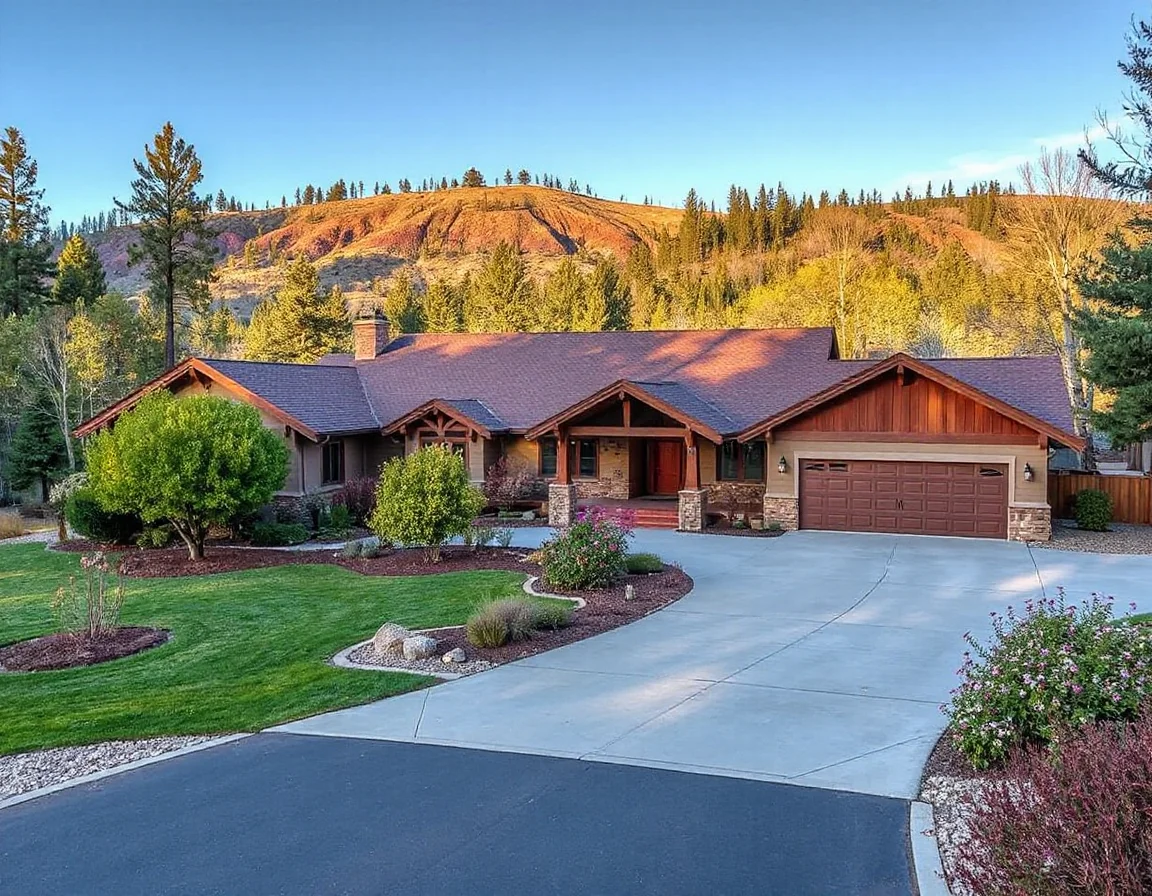
1. Road access and commute practicality. A listing may look close on a map, yet the real driving experience can be very different. Check whether the home is reached by paved roads, gravel roads, or private lanes, and ask who maintains them. In foothill communities, elevation changes, curves, drainage, and seasonal wear can affect travel time more than mileage suggests. If the property sits off a shared private road, review maintenance agreements and ask about costs or informal arrangements among neighboring owners.
2. Water source, capacity, and condition. Many rural homes rely on private wells rather than municipal water. That makes well production, storage, pump condition, and water quality essential parts of due diligence. Buyers should ask for recent well reports, flow information, and any available water testing results. If the property has storage tanks, filtration systems, or backup equipment, it is worth understanding age, service history, and replacement expectations. Water is one of the most important functional systems on a rural property, so this is not the place to make assumptions.
3. Septic system health. Unlike homes connected to a public sewer, many properties in and around Cool depend on septic systems. A septic inspection can reveal tank condition, drain field issues, repairs, or pumping needs. It is also smart to confirm whether additions, guest spaces, or outbuildings match the permitted septic capacity. A home marketed with extra rooms or flexible use space may still be limited by the underlying system, and that can affect how the property fits your plans.
Land Use, Boundaries, and Everyday Function
4. Zoning, easements, and usable acreage. Rural land often offers possibilities, but those possibilities vary from parcel to parcel. Before buying, review zoning, setback requirements, access easements, and any recorded restrictions. If you are considering gardening, keeping animals where permitted, adding a workshop, or simply wanting more privacy, it helps to know how much of the land is truly usable. Slopes, drainage paths, protected areas, and utility easements can all affect where and how the property can be enjoyed or improved.
Boundary clarity matters too. Fences, tree lines, and long driveways do not always line up with legal parcel lines. A survey or parcel map review can help confirm what is included. This is especially important on larger properties where neighboring land may appear visually connected. Understanding the actual boundaries can prevent confusion later and makes future improvement planning much easier.
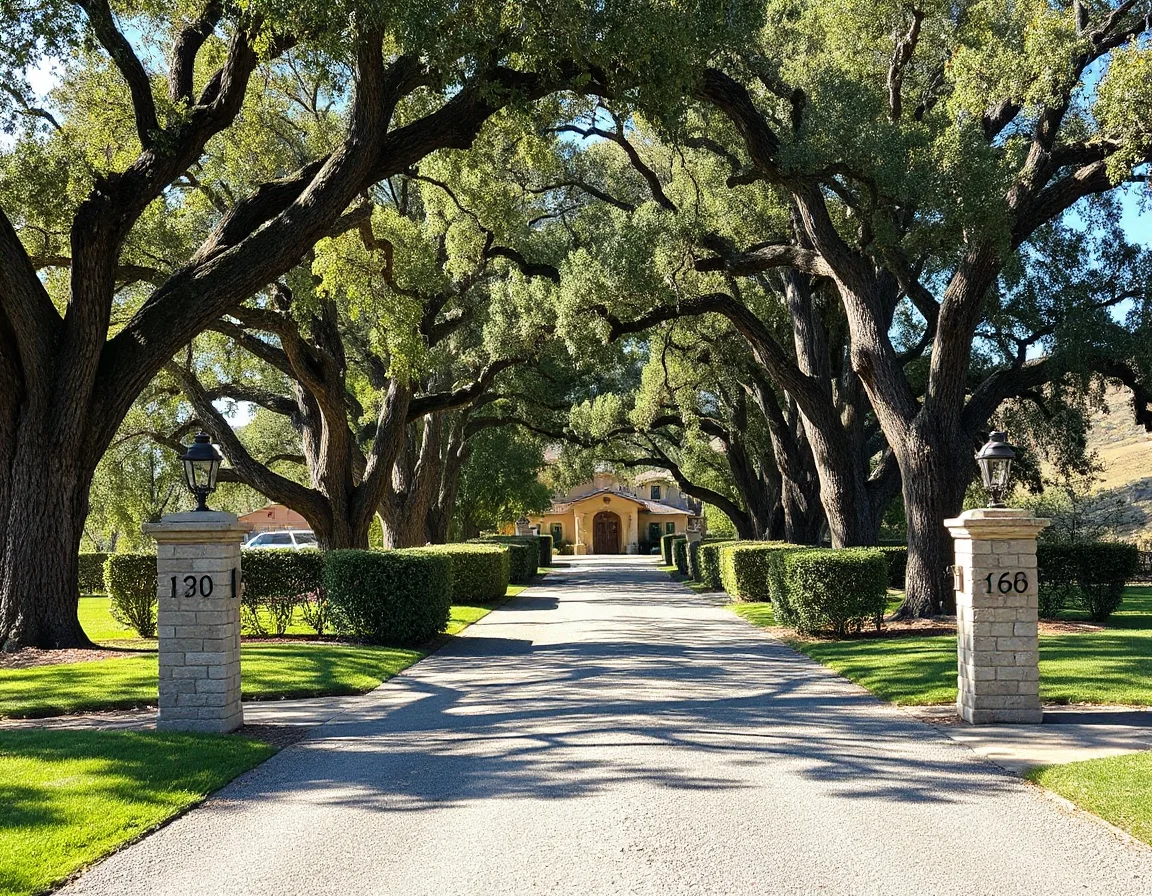
5. Utilities, internet, and backup systems. Rural homes can have very different service setups from one address to the next. Ask about electric service, propane, backup generators, internet providers, and cell signal reliability. For many buyers, connectivity is a practical concern for remote work, streaming, communication, and security systems. Service may be available, but speeds and consistency can vary. Testing signal strength in person and confirming provider options is often more reliable than assuming coverage from a map.
It is also helpful to ask about power outages and storm preparedness. In more rural parts of California, backup systems can be a meaningful advantage. A generator, water storage, defensible space planning, and maintained access roads all contribute to how comfortably a property functions throughout the year.
6. Insurance and property condition risks. Buyers should explore insurance options early, especially in foothill and wooded settings where coverage availability and pricing may differ from suburban areas. Roof age, vegetation clearance, road access, and construction materials can all influence insurability. Beyond insurance, look closely at drainage, grading, retaining structures, decks, and outbuildings. Rural properties sometimes have more exterior components to maintain, and deferred upkeep can add up quickly.
Local Context Matters as Much as the House
7. Nearby services, recreation, and market trends. Part of the appeal of Cool is the balance of open land and access to regional amenities. Buyers should spend time learning the rhythm of the area: grocery routes, medical services, school options, recreation access, and the drive to nearby employment centers or daily errands. The region is known for foothill scenery, trails, and access to outdoor recreation, which can be a major lifestyle benefit for residents who value space and natural surroundings.
Real estate trends also deserve attention. Rural homes can differ widely in value based on acreage, water systems, road access, views, usable land, and improvements such as barns, shops, or fenced areas. Comparable sales may be less uniform than in a tract-home neighborhood, so market interpretation takes nuance. This is where working with an agent who understands rural and recreation-oriented properties can make a meaningful difference in evaluating price, condition, and resale potential.
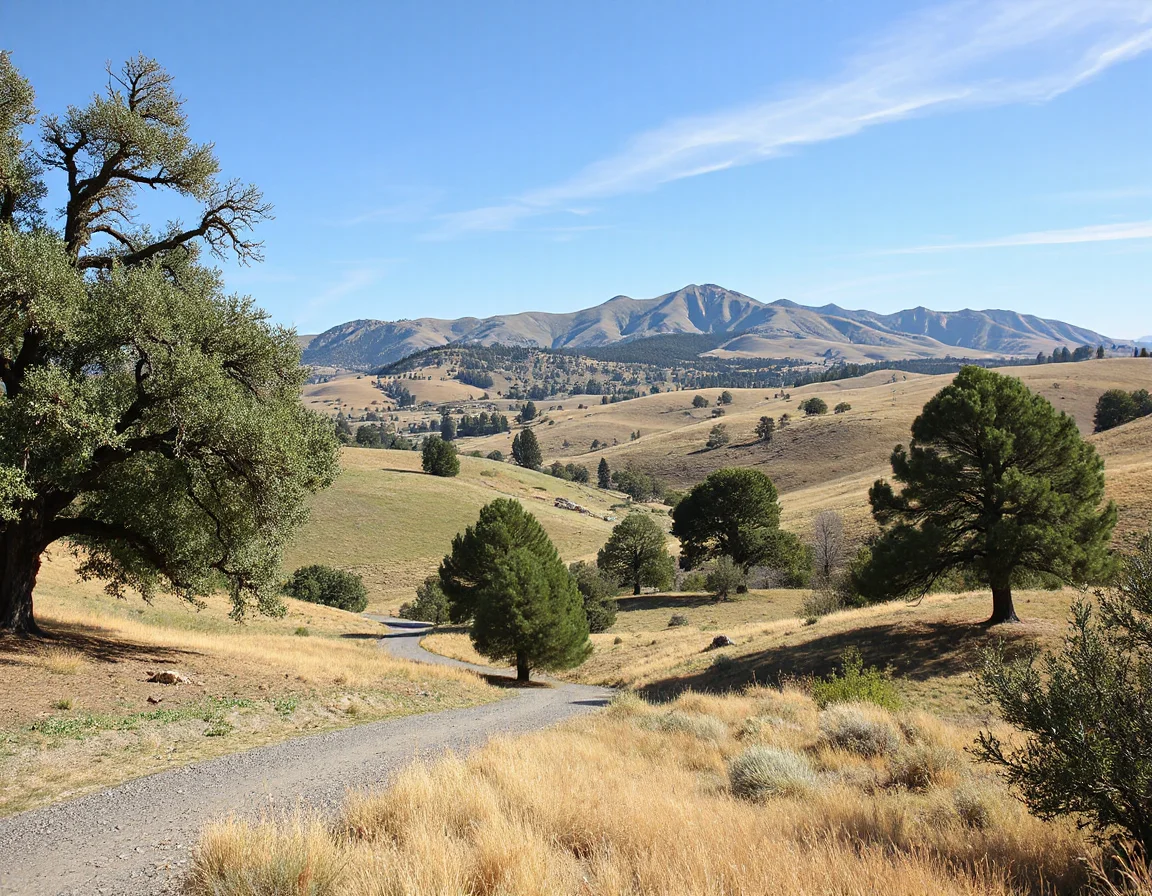
Buying a rural home can be incredibly rewarding when the property matches both your goals and the practical realities of ownership. The right home in Cool may offer room to breathe, strong connection to the landscape, and a level of privacy that is increasingly hard to find. The key is making sure the systems behind that setting are as solid as the view.
With thoughtful due diligence, buyers can move forward with confidence and a clearer understanding of what ownership will look like over time. In a market where no two rural properties are exactly alike, careful review of access, utilities, land use, and local market factors helps turn a scenic opportunity into a smart purchase.