


Folsom vs. El Dorado Hills: Which Community Better Fits Your Next Move?
Folsom or El Dorado Hills? A Closer Look at Two Popular Foothill Communities
Choosing between Folsom and El Dorado Hills often comes down to the details that shape everyday life. Both communities sit along the Sacramento region’s eastern edge, both offer convenient access to major employers and recreation, and both attract attention from buyers looking for a polished, well-connected place to call home. The differences, though, become clearer when you look at housing styles, local amenities, commute patterns, and the feel of each area from one neighborhood to the next.
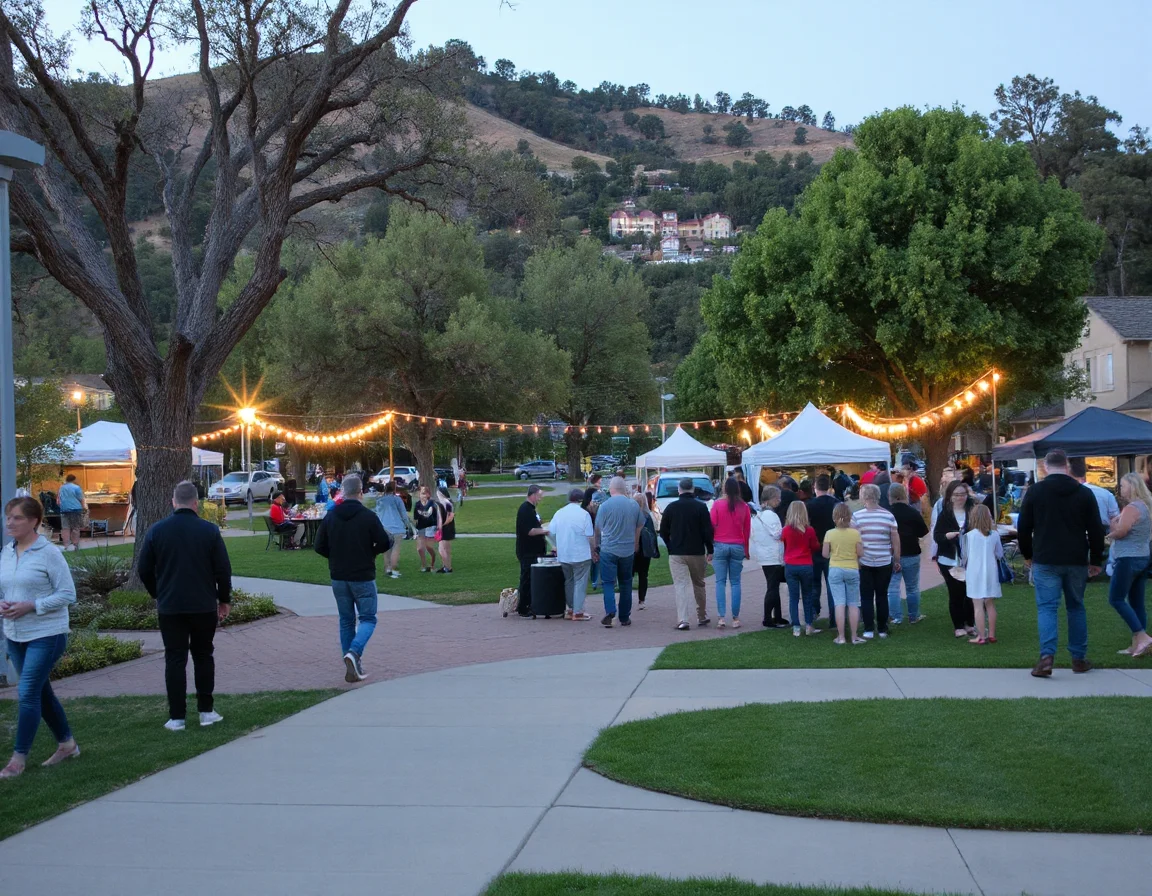
Folsom tends to appeal to buyers who want an established city with a broad mix of housing, retail, recreation, and public infrastructure. You will find everything from older neighborhoods with mature trees to newer subdivisions with contemporary finishes, along with condo and townhome options that can create more price flexibility. The city’s historic district adds a different layer to the housing conversation, offering pockets of character and proximity to local events, trails, and gathering places that give the area a distinct sense of rhythm.
El Dorado Hills, by contrast, is often associated with larger homesites, hillside neighborhoods, and master-planned communities with a more elevated suburban feel. Streets can be more winding, views can be more expansive, and many properties emphasize space, privacy, and architectural variety. Buyers comparing the two communities often notice that El Dorado Hills can deliver a stronger foothill atmosphere, while Folsom may offer a more urbanized layout with easier access to civic amenities and a denser network of services.
Recreation is a major strength for both locations. Folsom Lake shapes the lifestyle conversation in a meaningful way, bringing boating, paddle sports, shoreline trails, and scenic open space into the mix. Folsom also benefits from an extensive trail system that connects neighborhoods to parks and activity corridors. El Dorado Hills residents also enjoy close access to the lake and nearby outdoor destinations, but the overall experience often feels a bit more spread out and residential, with everyday errands centered around distinct shopping and service hubs rather than one continuous city grid.
Housing Stock, Price Points, and Daily Convenience
From a real estate perspective, one of the biggest distinctions is inventory style. Folsom generally provides a wider range of home types across different decades of construction. That can matter for buyers who want choices between remodeled resale homes, newer construction, low-maintenance properties, or neighborhoods with long-established landscaping. Some buyers appreciate the chance to prioritize commute convenience and neighborhood walkability to parks and schools, while others focus on lot size, garage space, or proximity to outdoor recreation.
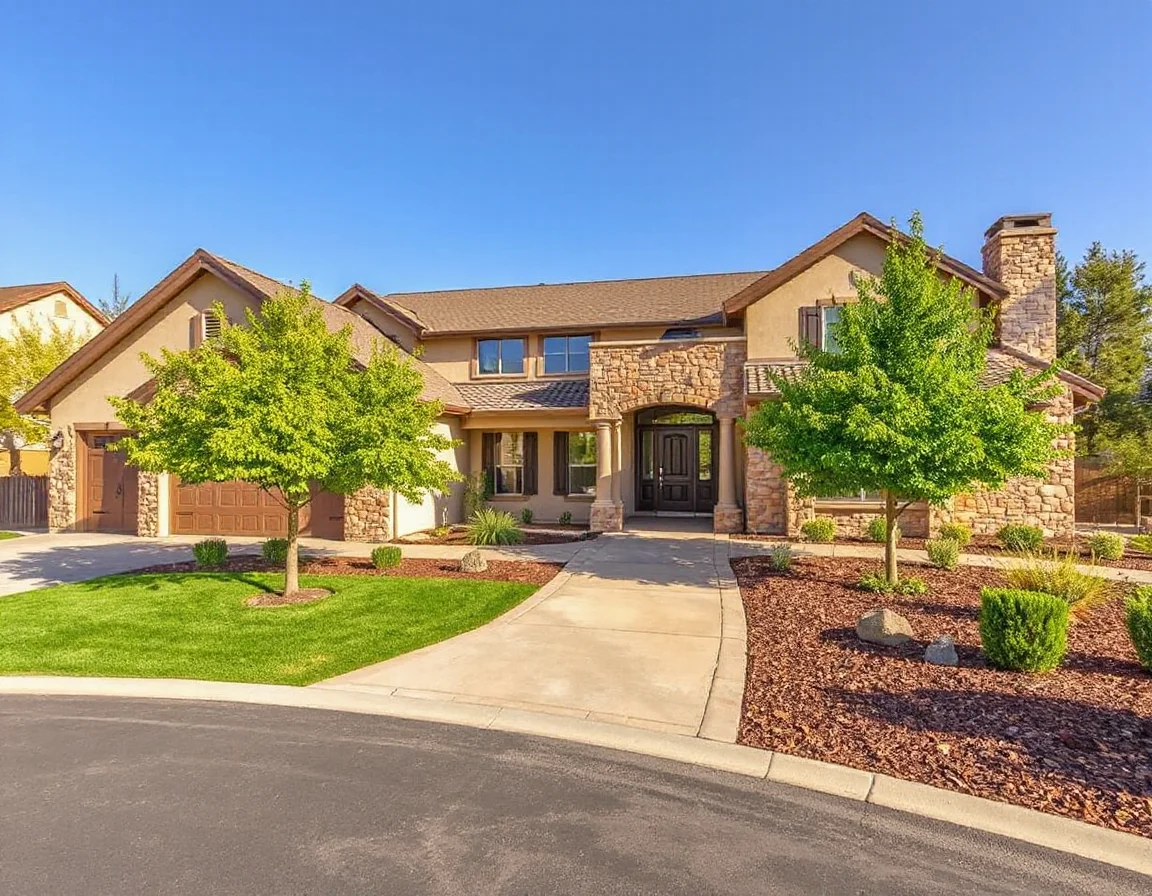
El Dorado Hills often enters the conversation when buyers are looking for a property with more square footage, a more dramatic setting, or a neighborhood with a strong visual identity. Homes in certain sections can include larger floor plans, upgraded outdoor living spaces, and hillside or greenbelt views. Depending on the market, that can also mean a higher entry point in many areas, especially for homes with premium lots or upgraded finishes. Still, value is never just about price per square foot. It is about how well a property aligns with your priorities, from layout and long-term upkeep to commuting routes and access to the places you use most often.
Convenience is another important divider. Folsom has the edge for buyers who want a city with more concentrated retail, entertainment, transit access, and established civic services. The presence of light rail is a notable factor for some commuters, and major road connections make travel into Sacramento relatively straightforward depending on traffic patterns and the specific neighborhood. Dining and retail options are also more broadly distributed, so daily errands can feel efficient and predictable.
El Dorado Hills offers convenience too, especially around well-developed retail centers and major commuter routes, but the experience can feel more segmented by neighborhood and terrain. Some residents enjoy that separation because it creates a quieter transition between home, open space, and shopping areas. Others may prefer Folsom’s more connected city layout. In either case, buyers benefit from spending time in both areas during weekday mornings, evenings, and weekends. Traffic flow, parking, and travel time to regular destinations can significantly influence which community feels easier to live in.
Schools are often part of the comparison as well, and the most useful approach is to review current district boundaries, attendance zones, and publicly available performance information directly from official sources. Boundaries and enrollment policies can change, so buyers should confirm details early in the home search process. Looking beyond school assignments, it is also worth comparing park access, library services, sports facilities, community programming, and trail connectivity, since those features affect day-to-day livability in practical ways.
Lifestyle, Setting, and What the Move Feels Like
When people tour both communities back to back, the emotional difference is often immediate. Folsom can feel energetic, active, and integrated, with a balance of established neighborhoods, newer homes, and a civic center that supports year-round activity. It has a polished suburban identity, but it also carries historic elements and easy access to outdoor recreation that keep it from feeling one-note. For buyers who value being close to trails, shopping, events, and employment centers all at once, that balance is often a strong advantage.
El Dorado Hills often feels more scenic and residential at first impression. Rolling terrain, gated enclaves in some areas, and neighborhoods positioned around ridge lines or open space can create a sense of retreat while still maintaining access to Sacramento and nearby employment centers. Buyers looking for a little more separation between home life and commercial activity may find that especially appealing. The landscape itself plays a larger role there, and many properties are positioned to take advantage of that setting.

There is also the question of future plans. If your next move is partly about long-term real estate strategy, it helps to think beyond the first impression of a home. Resale flexibility, neighborhood turnover, maintenance demands, HOA structure where applicable, lot usability, and renovation potential all deserve attention. A buyer planning to stay for several years may weigh these factors differently than someone seeking a shorter-term move with strong resale appeal. This is where local guidance matters most: not just opening doors, but helping compare tradeoffs that are easy to miss in online listings.
For buyers exploring the Sacramento foothills and Gold Country edge, experience with lifestyle-driven properties can make a major difference. The Hoyt Group, led by Forth Hoyt, brings deep local perspective and years of practical insight into how buyers evaluate space, setting, and long-term value in this region. That kind of guidance is especially useful when comparing two strong communities where the right choice depends less on a universal answer and more on how the area supports your routines, priorities, and financial goals.
In the end, neither Folsom nor El Dorado Hills is inherently “better” for every move. The better fit is the one that matches how you want to live each day: how far you want to drive, how much home and yard you want to maintain, what kind of setting feels comfortable, and which amenities matter most once the boxes are unpacked. Touring both with a clear plan, current market data, and honest local advice is usually the fastest way to find the answer with confidence.