

How to Price a Gold Country Ranch in Cool and El Dorado Hills Without Guessing
Pricing a Gold Country Ranch Takes More Than a Quick Online Estimate
Setting the right price for a ranch in Cool or El Dorado Hills is part market analysis, part property knowledge, and part disciplined strategy. A rural property can include far more than a house and a parcel line: access, topography, water, fencing, outbuildings, tree cover, views, and usability all affect value. That is why pricing by guesswork, broad county averages, or a generic automated estimate can miss the mark.
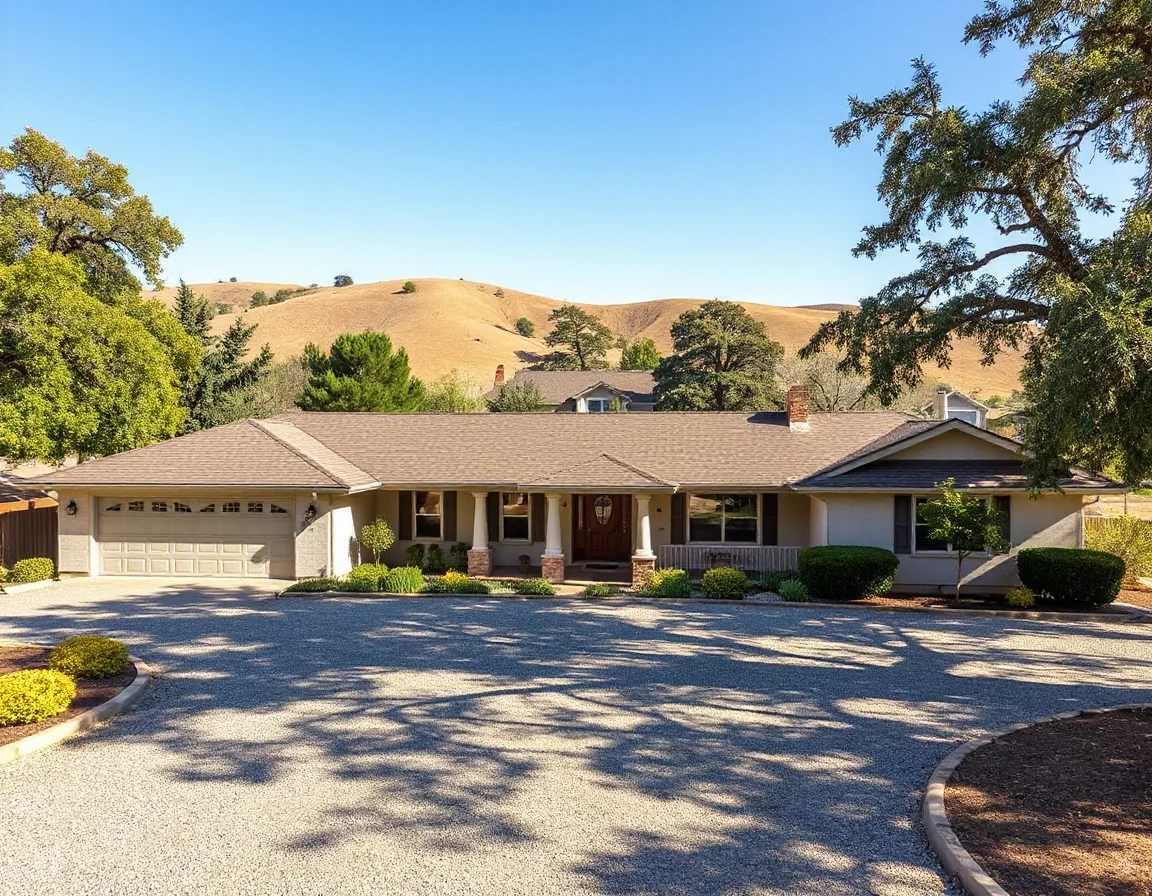
In these foothill markets, two properties with similar acreage can land at very different price points depending on improvements and location details. A ranch near major commuter routes in El Dorado Hills may attract attention for convenience, while a property in Cool may stand out for privacy, trail access, usable land, or recreation appeal. Neither is automatically worth more; the question is how buyers in the current market compare those benefits and what recent sales say about the premium attached to each feature.
The most reliable pricing starts with comparable sales, but not just any comparable sales. The best comps are recent transactions with similar acreage, terrain, road access, utility setup, home condition, and overall land utility. A custom home on mostly usable acreage with a barn, arena, or workshop should not be measured against a steep parcel with limited building pads, just as a polished equestrian setup should not be grouped with a basic rural residence that offers little beyond open land.
That is where local interpretation matters. In ranch and recreation property sales, square footage alone rarely tells the full story. Buyers often assign meaningful value to whether land can support animals, whether the driveway accommodates trailers and equipment, whether fencing is already installed, and whether there are dependable water sources or irrigation improvements. Pricing without accounting for those factors can either leave money on the table or cause a listing to sit while better-positioned properties move ahead.
What Buyers in Cool and El Dorado Hills Usually Measure Closely
Buyers looking at Gold Country ranch properties often approach the search with a checklist that blends home features and land performance. They may be comparing views, privacy, and setting, but they are also looking at practical details: how much of the acreage is flat or gently sloped, whether there is year-round access, what condition the roof and systems are in, and how much immediate work the property may require after closing.
Homes in El Dorado Hills can draw a different comparison set than properties in Cool because the surrounding inventory, lot configuration, and buyer expectations are not identical. In one area, upgraded finishes, proximity to retail and dining, and easier access to services may add weight. In the other, acreage utility, detached structures, and a more distinctly rural setting may carry greater importance. A strong pricing strategy recognizes the local audience without relying on assumptions and grounds every recommendation in actual market behavior.
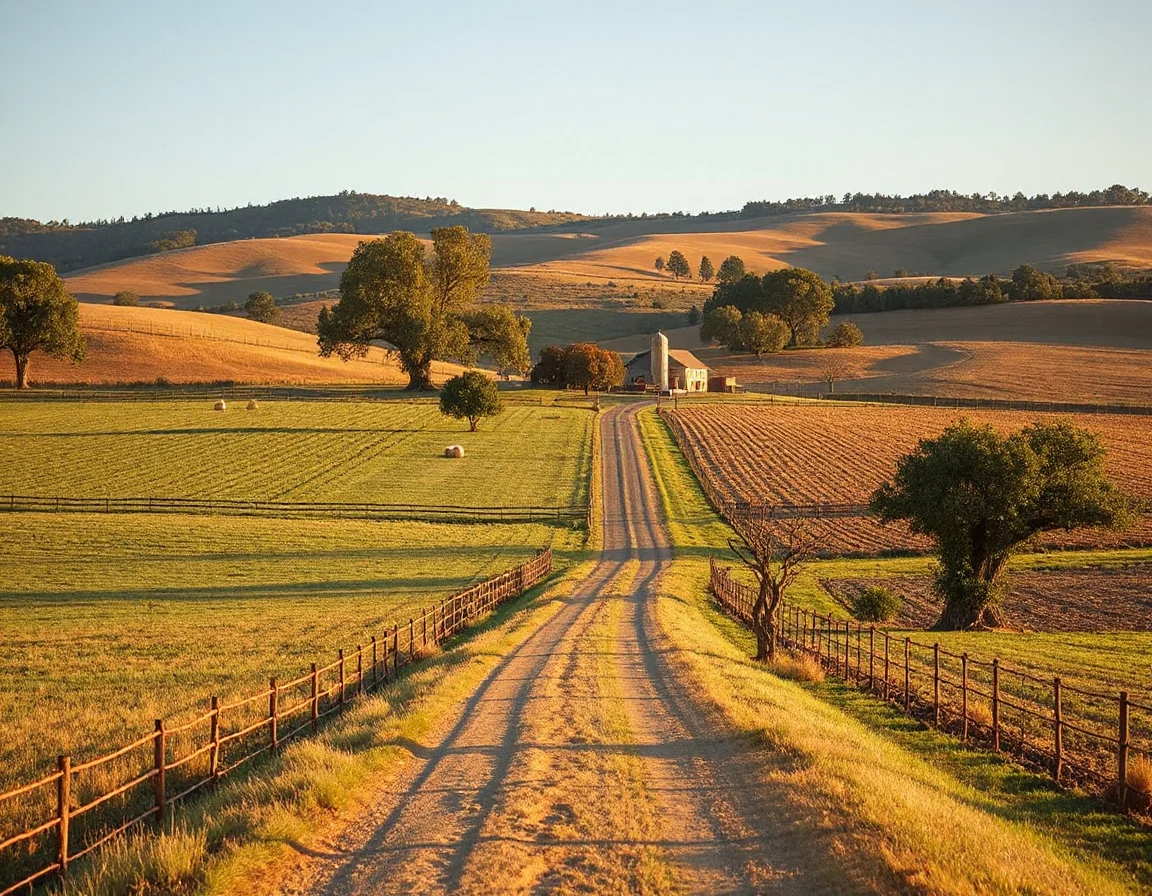
Condition also affects pricing more than many owners expect. Updated kitchens, baths, flooring, and mechanical systems can improve market response, but on a ranch property, buyers also study exterior improvements with equal care. Fresh exterior paint, repaired fencing, a clean barn, cleared vegetation, and well-maintained access roads can shape the first impression quickly. If the property presents as turnkey, that often broadens interest. If it reads as deferred maintenance, buyers may discount the price beyond the actual repair cost because they are factoring in uncertainty and effort.
Seasonality can also play a role. Rural properties often show differently depending on grass cover, water visibility, and weather conditions. A property photographed and launched when the land looks vibrant and accessible may command a stronger response than the same property introduced when curb appeal is muted. Pricing should reflect the moment the home enters the market, not just historical numbers from a different season and demand cycle.
One more key point: active listings are useful context, but they do not establish value by themselves. They show competition. Closed sales, pending transactions, days on market, and price reductions reveal what buyers are actually willing to do. If several similar ranches started high and later reduced, that pattern matters. If well-prepared listings are moving quickly near asking price, that matters too.
How a Smart Pricing Process Comes Together
A thoughtful ranch pricing plan usually begins with a property-by-property review. That includes the home, the land, access points, ancillary structures, utility details, and the features that are hard to measure but still highly influential, such as long-range views or a particularly functional layout for rural living. From there, recent sales are adjusted based on what is materially different rather than on broad guesswork.
For example, a sale with similar acreage may need adjustment if it had a newer home, paved access, a stronger well, premium outdoor amenities, or substantially more usable terrain. Another property may appear lower priced until you notice it lacked fencing, had a more challenging driveway, or required major interior updates. This side-by-side comparison is where pricing becomes a professional exercise rather than a hopeful number selection.
Presentation and price should support each other. If the goal is to achieve top value, the property needs to enter the market in a condition that justifies the number. That can mean trimming overgrowth, servicing gates, organizing utility areas, refreshing paint, or staging key rooms so buyers can immediately understand the home’s scale and flow. On ranch properties, simple preparation often helps buyers see the land more clearly and reduces hesitation.
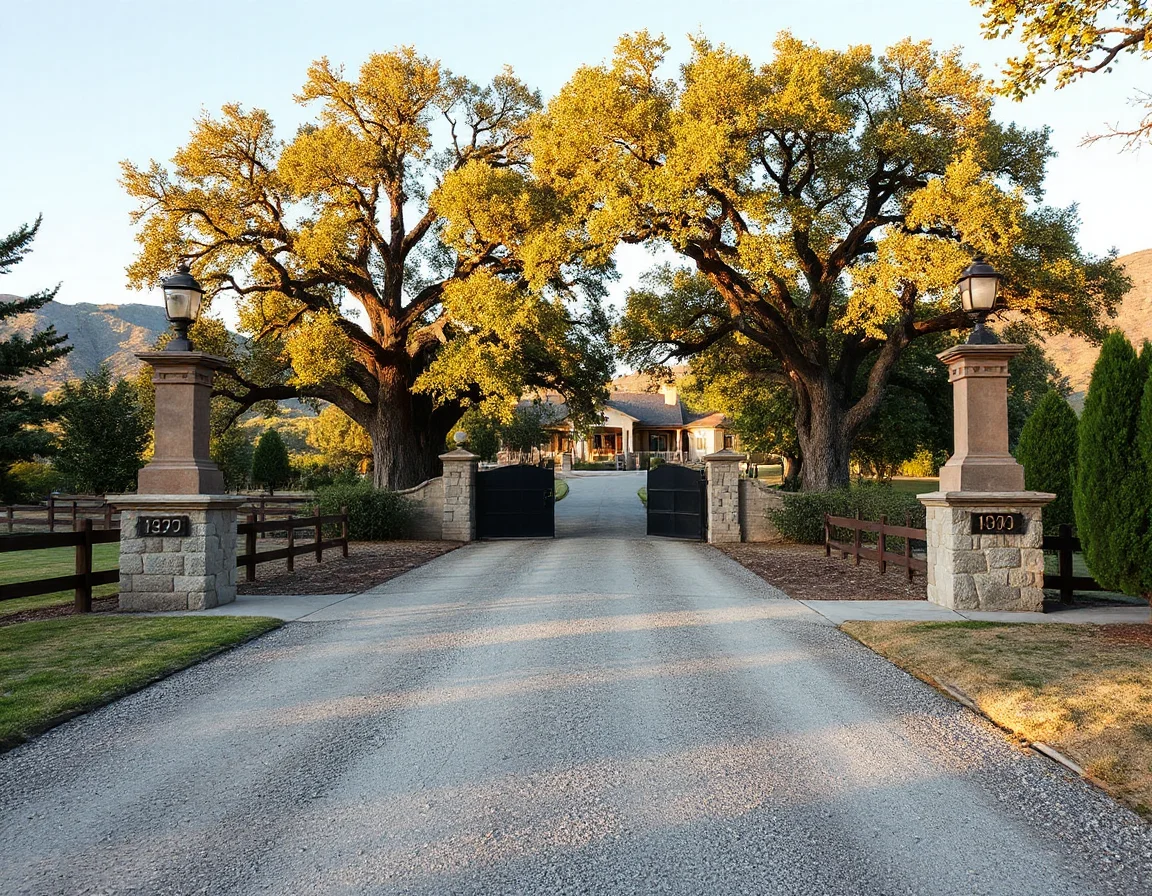
It also helps to define the likely buyer pool in objective terms. That does not mean making assumptions about people; it means understanding what type of property use the home supports. Is the main appeal acreage and privacy? Is it horse infrastructure? Is it a highly improved residence with room for equipment, hobbies, or outdoor recreation? The answer influences both marketing emphasis and pricing discipline. When the strongest features are clear, the price can be positioned to attract the right level of attention from the start.
Overpricing usually costs more than sellers expect. A listing that lingers can lose momentum, prompt repeated reductions, and create questions in the minds of buyers who wonder what they may be missing. By contrast, a well-priced property often generates stronger early interest, better showing activity, and more meaningful feedback. In some cases, that can improve negotiating leverage rather than weaken it.
The Goal Is Accuracy, Not Guessing
Pricing a Gold Country ranch in Cool or El Dorado Hills should be grounded in local experience, comparable sales, property utility, and current demand. That is especially true when a home includes the kinds of rural features that automated tools do not evaluate well. A careful strategy can help sellers avoid chasing the market downward or underselling a property with real, measurable advantages.
With deep experience in rural lifestyle, ranch, and recreation property sales, The Hoyt Group brings a practical lens to this process. Forth Hoyt’s long-time California market knowledge helps turn a complex pricing question into a smart, evidence-based plan designed to make the move easier and more profitable. When the details of the land matter as much as the house itself, precise pricing is not a luxury. It is the foundation of a successful sale.