

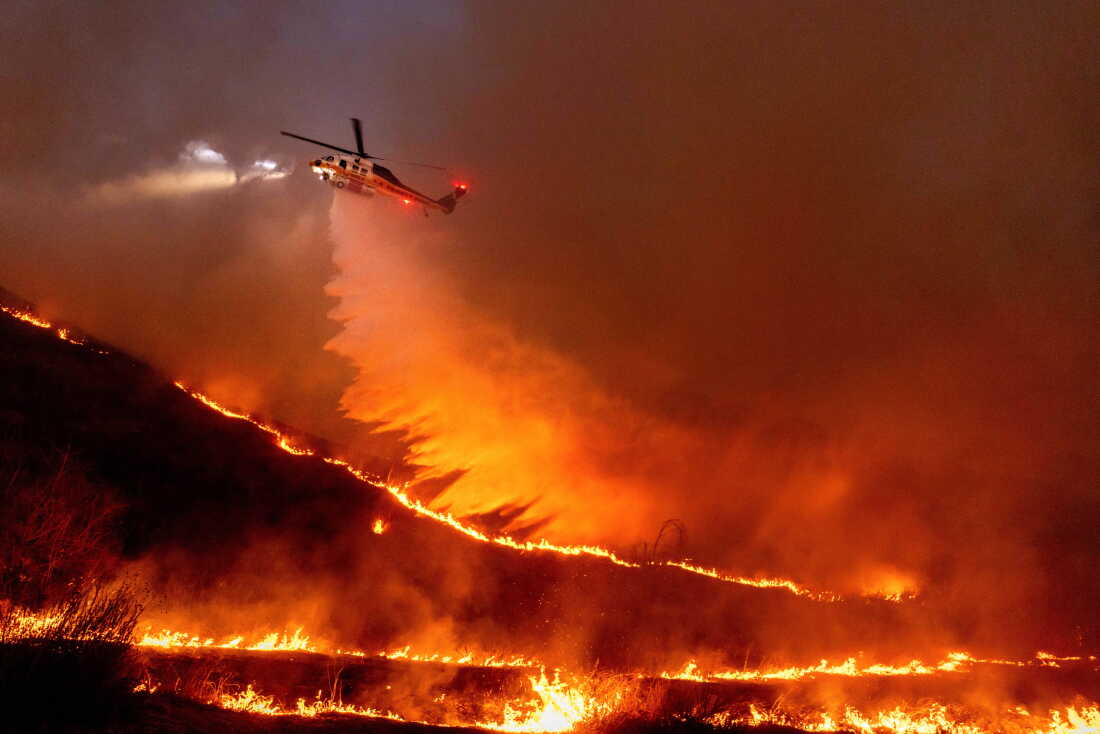

Two centuries ago, a healthy forest looked completely different than it does now. They were open, park-like grass covered canopies rather than crowded, overgrown stands so thick no daylight can reach the forest floor.
150 years ago or so, we got super aggressive about stopping wildfires at all costs. The natural thinning, removing and pruning back of the relentless growth was no longer done by nature. But we logged those forests. We thinned the growth of young trees, we removed the brush. But in the 80's most of the logging was cut out. Now only private land is logged . So no fire, no loggers… who's going to take care of and manage all this? We have to do it.
For hundreds of thousands of years, even in the forests, the landscape was dominated by expansive grasslands and forage, with very little brush or dense young growth to speak of. This open structure was sustained by regular fire cycles that returned every two to ten years. These low-temperature fires ran primarily on grass, suppressing invasive brush and effectively knocking back the vast majority of young trees. It took a good stroke of luck for a sapling to survive these cycles and make it to maturity. However, once those trees matured, they became highly resilient; the frequent, low-intensity burns didn't bother them a bit, resulting in a beautifully spaced, sustainable ecosystem.
But for the last 150 years, man has put out fires as quickly and aggressively as possible. So the plants just grow. And grow. And the results, after 150 years, is that these hills and forests are completely choked with underbrush and thick dense trees that are nearly impossible to even walk through, let alone see into…
Without regular maintenance (logging, or other management) or natural fire cycles, a landscape doesn't stay static—it simply accumulates an increasingly dangerous volume of fuel year after year. The hillsides are steadily building a thicker, heavier layer of fuel just waiting for a spark.
And once they catch fire, with a wind behind it, it's nearly impossible to stop. So nowadays, managing a foothill property requires moving past standard landscaping toward an aggressive, strategic approach to wildfire mitigation.
Between increasingly stringent California Public Resources Code (PRC) 4291 regulations and a highly selective homeowners insurance market, proper land management is a must for protecting your equity, your property, and your family (and your neighbors too).
Achieving true wildfire resilience requires a three-tiered defense strategy:
-
creating structured defensible space
-
hardening structural weak points
-
securing independent, on-site water storage.
The Sierra Foothill Reality: "Owning a piece of heaven in the Foothills means stepping in to do the heavy lifting—clearing brush, managing timber, and stewarding the dirt—because we spent a century and a half keeping Mother Nature from doing her own housekeeping."